
How Digital Christian Communities Are Reviving Interest in Faith-Based Literature and Storytelling
The Pew Research Center has reported that digital engagement continues to shape how people interact with religion, education, and media across different generations. Online communities now influence reading habits in ways that traditional publishing alone could not achieve a decade ago. Religious literature, once largely confined to bookstores, libraries, and church groups, is increasingly finding new audiences through digital platforms that combine music, devotionals, teaching materials, and literary discussion in one place.
Faith-centered creators and online communities have expanded access to spiritual reading materials through blogs, social platforms, and curated resource pages. Some readers now discover devotional writing, scripture-based reflections, and classic worship poetry through collections of hymns through Linktree, where music resources, teaching materials, and literary-inspired faith content are gathered in a single digital space. These online collections create a bridge between traditional religious literature and modern reading habits, especially among younger audiences who spend much of their time online.
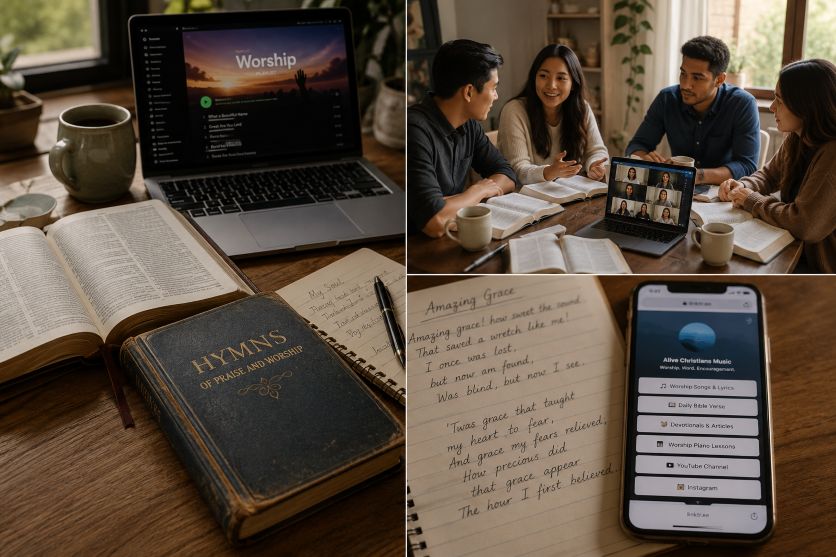
Digital Platforms Are Changing How Readers Discover Faith Literature
Religious storytelling has existed for centuries. Ancient scriptures, hymns, poems, and spiritual reflections helped communities preserve beliefs, traditions, and moral lessons long before digital media emerged. Yet the way people discover those works has changed significantly.
Research published by the American Library Association shows that digital reading platforms continue to influence how younger readers access educational and literary content. Instead of searching through physical shelves, many readers now encounter faith-related literature through social media recommendations, video platforms, podcasts, and online worship communities.
This shift has created unexpected opportunities for literature connected to spirituality and personal reflection. Devotionals, Christian poetry, and modern retellings of biblical themes now circulate alongside worship playlists and educational videos. Readers who may not actively search for religious books sometimes encounter meaningful literary content while exploring music or inspirational resources online.
These evolving habits reflect broader cultural changes. Modern audiences often prefer content that feels accessible, conversational, and emotionally relevant. Digital communities have adapted by presenting literature in formats that feel approachable rather than academic or overly formal.
Music and Literature Have Always Shared a Close Relationship
Many forms of religious literature were originally tied to music and oral storytelling. Hymns, psalms, and worship songs often carried poetic structures designed to help listeners remember spiritual teachings. Long before printed books became common, communities learned faith traditions through spoken stories and music.
The British Library notes that hymn writing played a major role in preserving religious language, poetry, and storytelling traditions throughout history. Writers such as Isaac Watts and Charles Wesley contributed works that blended theology with literary expression, shaping generations of readers and worshippers alike.
Digital worship communities continue this tradition in modern form. Online collections of worship music frequently introduce audiences to older poetic works that they may never have encountered in school or mainstream publishing. Lyrics shared through videos, livestreams, and curated online hubs often spark curiosity about the literary origins behind the songs. Similar trends can also be seen in broader reading culture, where readers are now discovering literary storytelling through audio platforms that blend spoken word, music, and narrative experiences.
As a result, readers begin exploring broader themes connected to spirituality, morality, and human experience. Some move from song lyrics into devotionals, historical theology, or faith-inspired fiction. Others develop interest in poetry and reflective writing after engaging with worship content online.
Online Communities Encourage Personal Reflection Through Reading
Faith-based literature has long served as a source of comfort during uncertainty and social change. Digital communities now make these resources easier to access for people who may feel isolated or disconnected from traditional institutions.
Harvard Divinity School has discussed how online religious spaces became increasingly important during periods of social disruption, particularly during the pandemic years. Many individuals turned to digital worship, spiritual discussions, and online reading materials when physical gatherings became limited.
That transition strengthened the role of digital storytelling in religious life. Readers began sharing personal reflections alongside passages from books, scripture studies, and spiritual articles. The experience became more interactive than traditional reading alone.
Comment sections, discussion groups, and shared devotional communities created opportunities for readers to interpret literature collectively. Instead of consuming religious writing privately, many people now participate in conversations around meaning, identity, ethics, and personal growth.
These discussions often resemble literary communities centered on interpretation and analysis. Readers examine symbolism, narrative structure, emotional themes, and historical context, even when engaging with devotional materials rather than conventional novels.
The Rise of Accessible Spiritual Writing
Modern faith-centered platforms have also changed the tone and style of religious writing itself. Earlier forms of theological literature sometimes relied on dense language that felt difficult for general audiences to approach. Contemporary digital writers often choose simpler language and more personal storytelling techniques.
This accessibility has expanded readership beyond traditional religious communities. People interested in philosophy, mindfulness, personal growth, or ethical reflection may encounter spiritual literature without necessarily identifying with a specific denomination.
The National Endowment for the Arts has observed that digital access can help sustain reading engagement by introducing audiences to content that aligns with their personal interests and habits. Faith-based literary spaces increasingly reflect that pattern.
Short-form devotionals, reflections, spoken-word poetry, and scripture-inspired narratives now appear in formats designed for mobile reading and social sharing. Despite the shorter formats, many still carry strong literary qualities through imagery, symbolism, and emotional storytelling.
Digital creators have learned that storytelling remains one of the most powerful ways to communicate ideas. Whether through a worship reflection, a poetic prayer, or a modern retelling of biblical themes, narrative continues to connect deeply with readers.
Literature Communities Continue to Evolve Online
The growth of digital faith communities reflects a broader transformation happening across literature itself. Reading is no longer limited to printed books or formal literary spaces. Stories, poems, reflections, and spiritual discussions now move fluidly across platforms that combine audio, video, text, and community interaction.
This evolution does not replace traditional literature. Instead, it expands the ways readers encounter meaningful writing. A person may begin with worship playlists or digital hymn archives, then gradually explore articles, historical texts, or modern faith-inspired fiction. Others may discover poetry through devotional communities and later develop broader literary interests.
These patterns suggest that digital spaces are helping preserve literary traditions in updated forms. Religious storytelling, worship poetry, and spiritual reflection continue reaching new audiences because technology allows them to adapt without losing their core meaning.
Despite ongoing debates about screen time and changing reading habits, digital communities demonstrate that interest in reflective and spiritually themed literature remains strong. Readers still seek stories and language that help them understand identity, purpose, suffering, hope, and human connection.
Online worship collections, curated devotional resources, and modern spiritual reading communities show that literature continues to evolve alongside culture. Faith-inspired storytelling has simply found new pathways into contemporary life, blending ancient traditions with digital accessibility in ways that continue to shape modern reading experiences.