
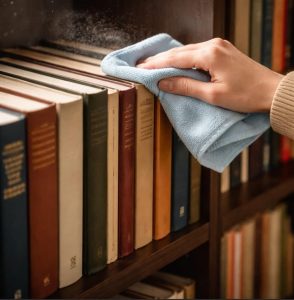
 Books are meant to last for years, sometimes even generations. But one of the most common threats to their condition is something many people overlook: dust. It settles quietly on shelves, covers, pages, and even nearby surfaces like a sofa. Over time, it can cause more damage than people expect. While occasional dusting helps, professional cleaning, such as services provided by Al Masa Company Sofa Cleaning (شركة الماسة تنظيف كنب), often plays an important role in protecting books and the spaces where they are stored. Understanding how dust affects books makes it easier to see why regular and thorough cleaning matters.
How Dust Builds Up Around Books
Dust is made up of tiny particles from many sources. These include dirt from outside, fabric fibers, dead skin cells, pollen, and small pieces of paper. When air moves through a room, these particles float and eventually settle on surfaces.
Bookshelves naturally collect dust because they contain many flat surfaces where particles can land. Books themselves also contribute to dust. As pages age and move, small paper fibers break off and mix with other particles in the air.
Over time, dust collects on the tops of books, along page edges, and deep inside shelves. If it is not cleaned regularly, it can build up quickly, especially in rooms with poor ventilation.
The Effects of Dust on Book Materials
At first glance, dust may only seem like a cosmetic issue. But it can affect books in several ways.
One of the main problems is abrasion. Dust particles can be slightly rough. When books are moved or handled, those particles rub against covers and pages. This friction slowly wears down paper fibers and protective coatings.
Dust can also hold moisture and pollutants. These substances may cause paper to yellow or weaken. Over time, pages can become brittle and more likely to tear.
Bindings can also suffer. Dust that settles into the spine and between pages can stress the binding materials when books are opened and closed. Eventually, this can lead to loose pages or weakened covers.
Dust and Indoor Air Quality
Books are not the only things affected by dust. The air inside a home or office can also suffer when dust accumulates. Dust often contains allergens such as dust mites, mold spores, and pollen. When these particles become airborne, they may trigger allergies or breathing problems. A room full of dusty bookshelves can contribute to this issue, especially if the space is rarely cleaned.
People who spend time reading or working near bookshelves may notice symptoms like sneezing, coughing, or irritated eyes. Keeping dust levels low helps protect both books and the people who use them.
Why Basic Dusting Is Sometimes Not Enough
Many people try to protect their books by dusting shelves with a cloth or feather duster. While this helps remove surface dust, it often does not solve the larger problem.
Dust collects in hidden areas that are difficult to reach. It settles behind books, inside vents, on carpets, and in upholstery. These areas continue releasing particles into the air even after shelves are wiped down.
Because of this, dust quickly returns. Within days, books may start to collect a new layer of particles.
This is where deeper cleaning becomes important.
How Professional Cleaning Reduces Dust
Professional cleaning services address dust at its source rather than only removing what is visible. They use specialized equipment designed to capture fine particles that ordinary cleaning tools may miss.
For example, high-efficiency vacuum systems remove dust from carpets, upholstery, and hard-to-reach corners. Professional cleaners also clean air vents, baseboards, and other areas where dust tends to accumulate.
By removing these hidden sources, the amount of airborne dust in a room can decrease significantly. As a result, less dust settles on bookshelves and book surfaces.
Benefits for Book Collections
Lower dust levels create a better environment for books. With fewer particles in the air, covers and pages stay cleaner for longer periods. This reduces wear caused by friction and contamination.
Professional cleaning also helps control humidity and air circulation in many indoor spaces. These conditions are important for preserving paper materials. When dust and moisture combine, they can encourage mold growth, which can damage books quickly.
Keeping the surrounding space clean helps reduce this risk and supports long-term preservation.
Useful for Homes, Offices, and Libraries
Dust control is important anywhere books are stored. Home libraries, offices, classrooms, and public libraries all face similar challenges.
In homes, bookshelves are often placed near carpets, curtains, or open windows where dust easily collects. In offices and libraries, large numbers of books can create additional sources of paper dust.
Professional cleaning services help manage these environments more effectively. Regular deep cleaning reduces the amount of dust circulating through the space and helps protect both books and indoor air quality.
Simple Steps to Reduce Dust Around Books
Even with professional cleaning, daily habits still matter. A few simple practices can help keep books in good condition. Bookshelves should be dusted regularly with a soft cloth rather than a feather duster that spreads particles into the air. Vacuuming carpets and floors often helps prevent dust from circulating through the room.
Keeping windows closed during dusty weather and maintaining clean air filters can also reduce indoor dust levels. Spacing books slightly apart on shelves allows air to circulate and makes cleaning easier.
Conclusion
Dust may seem like a small problem, but it can have lasting effects on books and the spaces where they are kept. It wears down paper and bindings, contributes to poor air quality, and encourages further buildup if left untreated.
Regular cleaning helps control the problem, but professional cleaning offers a deeper solution. By removing dust from the entire environment, not just visible surfaces, it helps protect books and maintain a healthier indoor space.
For anyone who values their books, keeping dust under control is one of the simplest and most effective ways to preserve them for years to come.